The world around us is filled with labels. From the small sticker on an apple to the large barcodes on shipping boxes, labels help us identify and track products. However, in the world of factories and big warehouses—known as industrial labeling—things are changing fast.
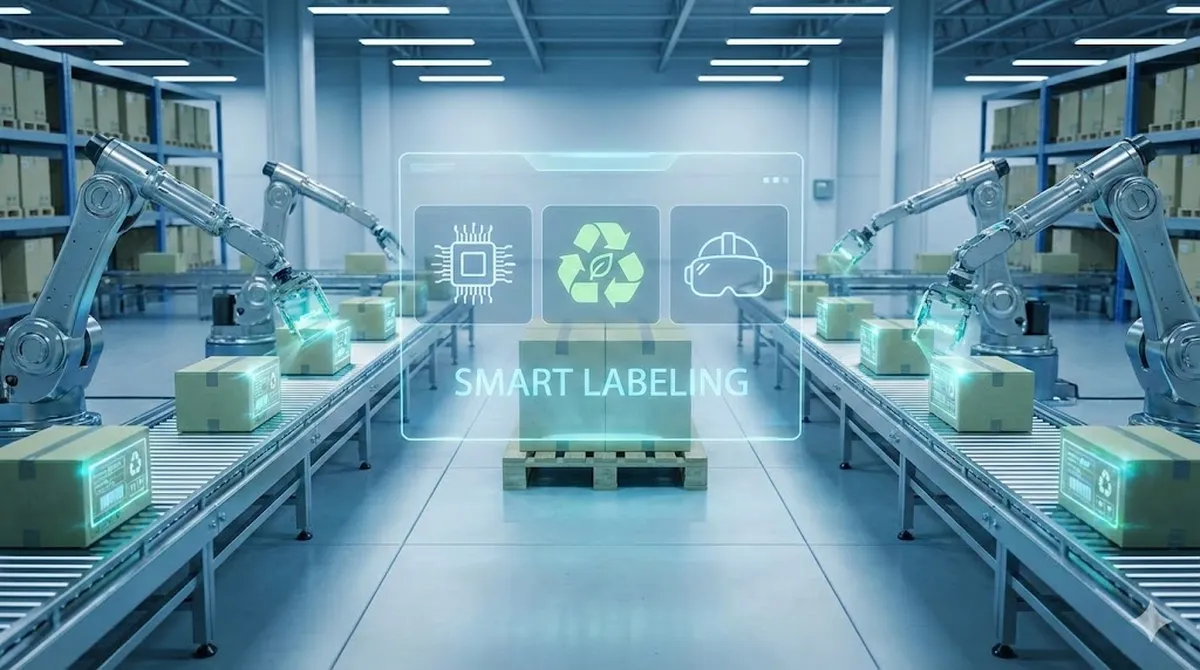
New technology is making labels “smarter” and better for the planet. Here is a look at the future of how things get labeled.
1. The Rise of “Smart Labels”
In the past, a label was just a piece of paper with ink. If you wanted to know what was inside a box, you had to scan it manually. Tomorrow’s labels will do much more.
RFID and NFC Technology
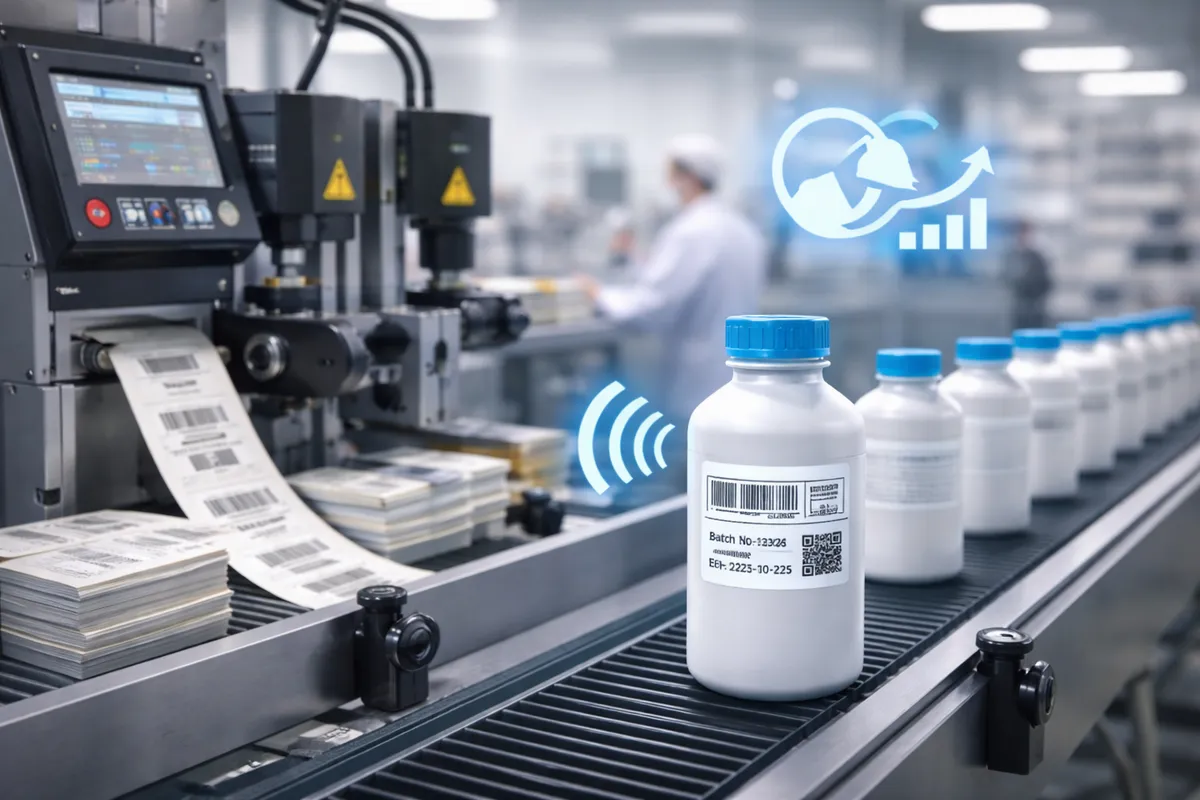
You might have used NFC when you pay with your phone. Industrial labels are starting to use similar tech called RFID (Radio Frequency Identification).
-
How it works: These labels have tiny chips and antennas inside.
-
The benefit: A worker can scan 100 boxes at once without even opening the pallet, simply by walking past them with a sensor. This saves hours of work.
Interactive QR Codes
We see QR codes everywhere today, but in the future, they will be more “dynamic.” Instead of just taking you to a website, a QR code on a machine might show a worker a video tutorial on how to fix it or provide a real-time list of the machine’s temperature and health.
2. Going Green: Sustainability in Labeling
As the world focuses on climate change, companies are looking for ways to reduce waste. Traditional labels often use plastic films and strong glues that are hard to recycle.
Eco-Friendly Materials
Future labels will be made from:
-
Recycled Paper: Using old paper to make new tags.
-
Compostable Materials: Labels made from cornstarch or sugar cane that dissolve naturally without hurting the earth.
-
Wash-away Adhesives: Special glues that come off easily in recycling centers so the plastic or glass bottle can be reused perfectly.
3. Augmented Reality (AR) Innovations
Imagine wearing a pair of smart glasses while working in a factory. When you look at a label on a chemical drum, a digital warning sign pops up in the air to tell you it’s dangerous. This is Augmented Reality.
Labels will act as “anchors” for digital information. By pointing a tablet or smart glasses at a label, a technician can see:
-
The history of when the part was last replaced.
-
A 3D map of what is inside a large container.
-
Safety instructions in their own language.
4. Faster and More Local Printing
In the old days, companies had to order thousands of labels from a printing factory and wait weeks for them to arrive.
Digital Label Printing is changing this. Now, factories can print high-quality, colorful labels right on the assembly line. This “on-demand” printing means:
-
Less Waste: They only print what they need today.
-
Customization: Every single label can be different. For example, one label could have a specific serial number and the name of the customer who bought it.
Summary: Why Does This Matter?
The future of industrial labeling is about more than just “stickers.” It is about information and responsibility.
By using smart technology, we make work faster and safer. By using eco-friendly materials, we protect the ocean and the land. Even though labels are small, these innovations will have a huge impact on how the world’s economy works.