In any business, operational efficiency is key to staying competitive. For Tianhui, a company specializing in manufacturing, improving operational efficiency meant cutting down time spent on processes like inventory tracking, production, and shipping. One of the most important steps in this transformation was enhancing their labeling system. This article explores how Tianhui used better labeling practices to streamline their operations and improve overall efficiency.
The Challenge: Inefficient Processes
Before making changes to their labeling system, Tianhui faced several challenges:
-
Slow Inventory Tracking: They used manual processes to track inventory, which often led to delays and mistakes.
-
Inconsistent Labels: Labels were often printed inconsistently, making it hard to ensure compliance and accuracy.
-
Shipping Delays: The lack of clear labeling sometimes caused confusion during packaging and shipping, leading to delays in order fulfillment.
These inefficiencies resulted in increased operational costs and slowed down the company’s ability to deliver products to customers on time.
The Solution: Modernizing the Labeling System
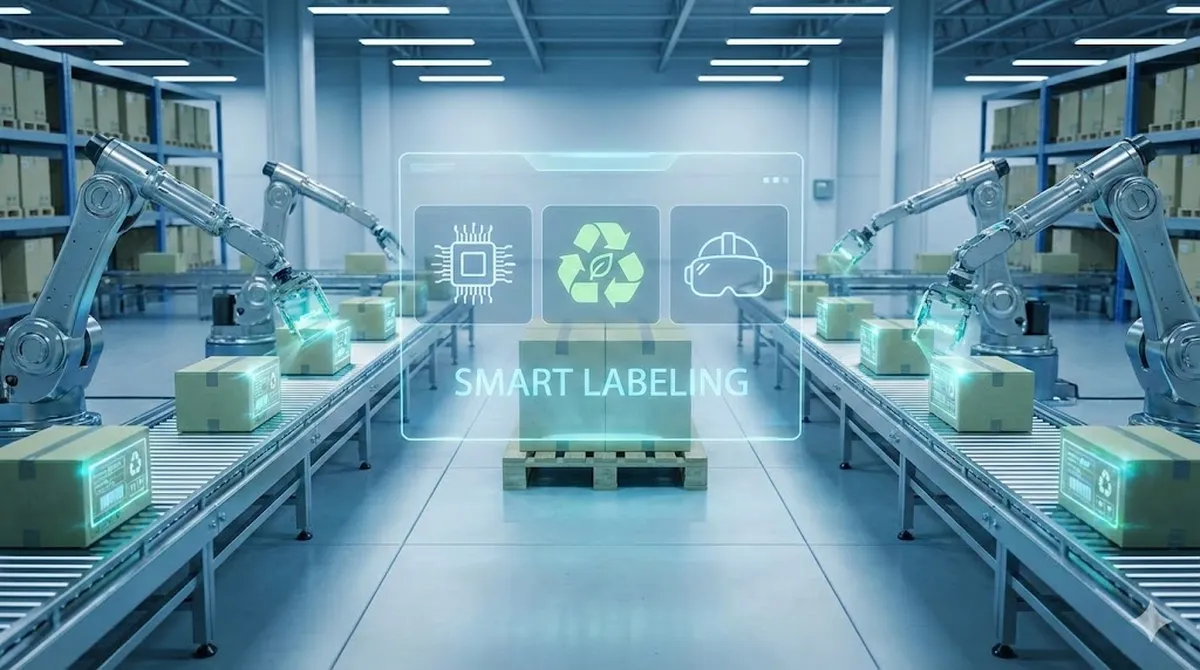
To solve these issues, Tianhui decided to upgrade their labeling system. Here’s how they approached the problem:
1. Switching to Automated Labeling
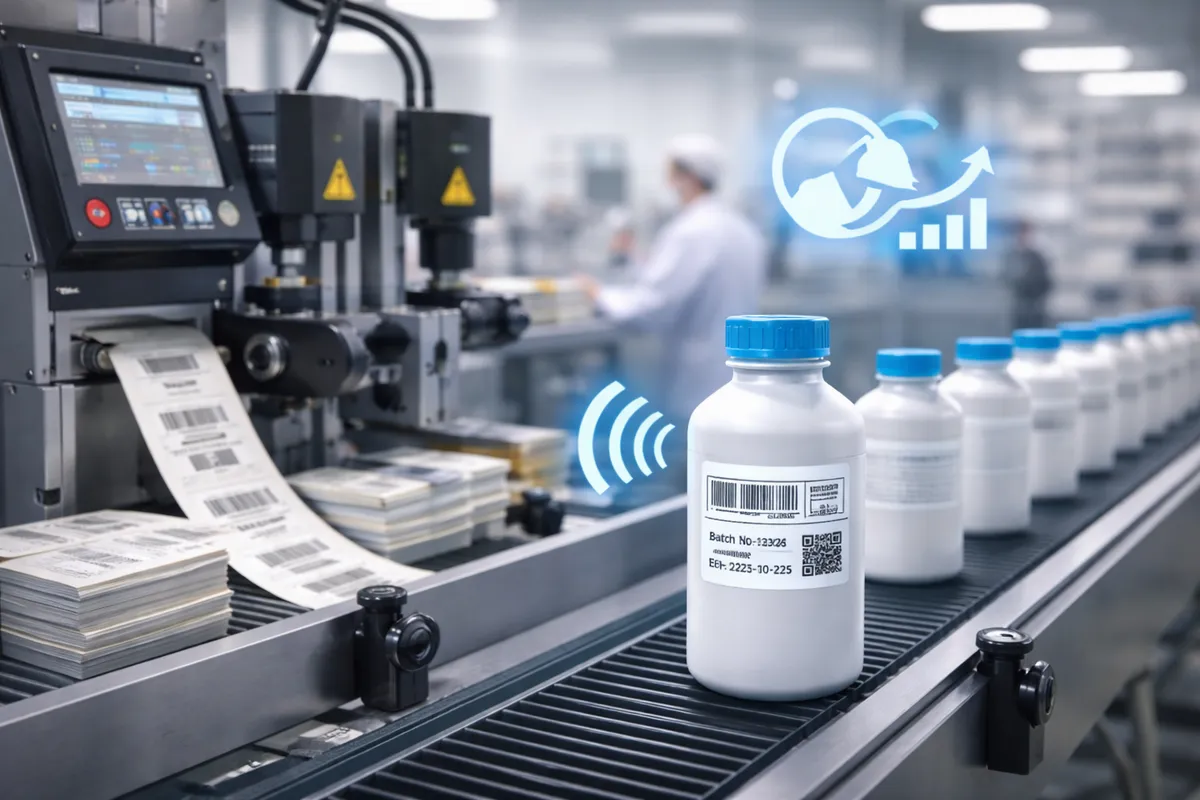
Tianhui invested in an automated labeling system, which helped them print labels quickly and consistently. The new system was integrated into their production line, allowing products to be labeled as they were produced.
-
Speed: Labels could be printed in seconds, reducing the time spent on manual tasks.
-
Consistency: Automated labeling ensured that every product had the same high-quality, accurate label.
2. Using RFID Technology for Tracking
Tianhui also implemented RFID labels to improve inventory tracking. RFID labels use radio waves to transmit data, making it easier to scan and track products in real time.
-
Real-Time Inventory Updates: With RFID technology, Tianhui could automatically update their inventory as products were produced or moved around the warehouse.
-
Fewer Mistakes: The RFID system reduced the chances of errors that were common with manual tracking.
3. Improving Label Design for Better Clarity
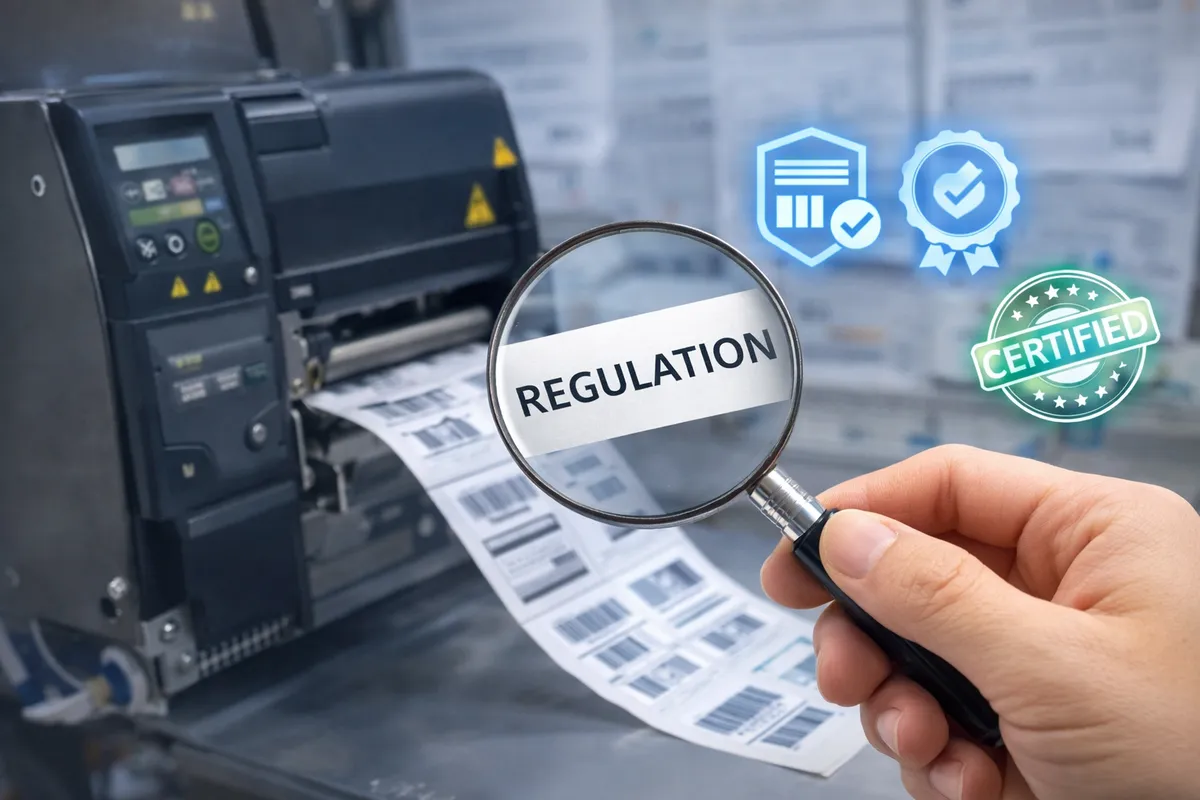
Another important change was improving the design of the labels. Tianhui worked with designers to create labels that were easier to read and included all the necessary information for both inventory management and compliance.
-
Clear Information: Labels included essential data like product details, expiration dates, and barcodes.
-
Compliance: The new labels made it easier to meet industry regulations, ensuring that the products were labeled correctly for shipping and retail.
The Results: Improved Efficiency and Accuracy
After implementing these changes, Tianhui saw a significant improvement in their operational efficiency. Here are some of the results they experienced:
-
Faster Inventory Management: With RFID labeling and automated printing, inventory was tracked more efficiently, and stock levels were always up-to-date.
-
Fewer Mistakes: The consistency of the labels and the accuracy of the RFID system led to fewer errors in inventory tracking, order fulfillment, and shipping.
-
Increased Productivity: By reducing the time spent on manual labeling and tracking, employees were able to focus on other tasks, improving overall productivity.
Conclusion: Labeling for Success
Tianhui’s success in improving operational efficiency shows how something as simple as upgrading a labeling system can have a big impact. By switching to automated, RFID-based labels and designing more accurate and informative labels, they were able to streamline their processes and enhance their business performance. This case study proves that small changes can lead to big improvements in operational efficiency, saving both time and money in the long run.