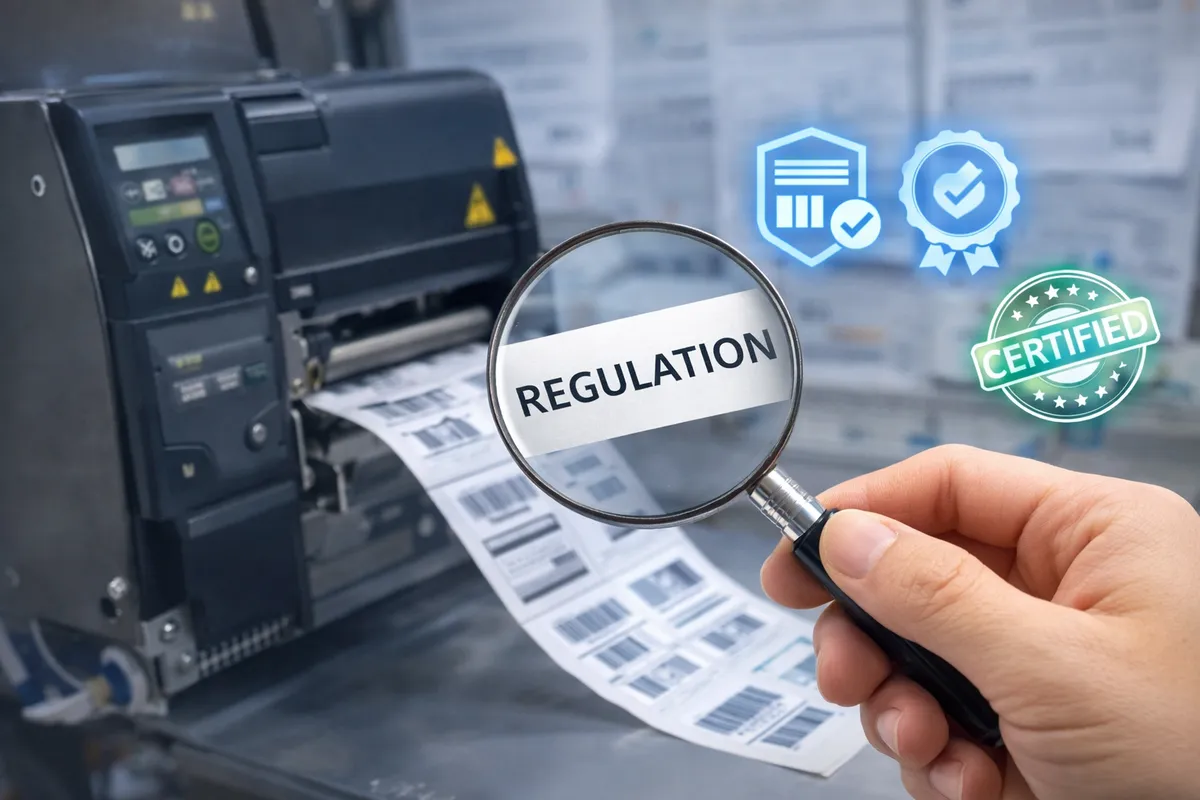
The labeling industry is always changing. As new regulations are introduced, businesses must adapt quickly to stay compliant. This can be challenging, especially when regulations differ by region and product type. However, staying ahead of these changes is crucial to ensure your company’s labeling practices remain legal, efficient, and reliable. In this article, we will explore how businesses can stay ahead of regulatory changes in the labeling industry.
Why Is Staying Ahead of Regulatory Changes Important?
Regulatory compliance ensures that labels on products are accurate, safe, and transparent for consumers. These regulations are designed to protect customers, the environment, and companies by ensuring that products are labeled correctly.
Not staying ahead of regulatory changes can lead to several problems:
-
Fines: Failing to comply with new regulations can result in penalties.
-
Product Recalls: Incorrect labeling can lead to product recalls, damaging your brand’s reputation.
-
Loss of Trust: Customers expect accurate, clear labeling. Misleading or non-compliant labels can lead to a loss of trust.
Staying ahead helps avoid these issues and ensures your business continues to thrive.
How to Stay Ahead of Regulatory Changes
1. Monitor Regulatory Updates Regularly
The first step in staying ahead of regulatory changes is to monitor updates regularly. Regulatory bodies often release changes to labeling standards, guidelines, and laws. Key regulatory bodies to monitor include:
-
FDA (Food and Drug Administration) – for food, drugs, and cosmetics in the U.S.
-
EPA (Environmental Protection Agency) – for environmental labeling requirements.
-
EU (European Union) – for international product labeling regulations.
Make sure you subscribe to newsletters, attend webinars, and check official websites for updates. Many agencies provide tools or alerts for businesses to stay informed.
2. Invest in Technology to Manage Regulatory Changes
Technology can help streamline the process of managing regulatory changes. Many software systems are designed to help businesses keep track of labeling requirements. These systems can:
-
Automatically update labeling content based on new regulations.
-
Check for errors or omissions on labels.
-
Generate new labels based on updated requirements.
Investing in the right technology will save your business time and reduce the risk of errors.
3. Stay Connected with Industry Networks
Joining industry associations and networks can help you stay informed about regulatory changes. These groups often provide resources, host events, and offer advice on compliance. Examples include:
-
The Regulatory Affairs Professionals Society (RAPS)
-
The Labeling Resource Center (LRC)
These networks are a valuable source of up-to-date information on regulatory changes and best practices.
4. Train Your Staff Regularly
Your team plays a crucial role in ensuring your labels are compliant. Regular training is necessary to ensure everyone understands the importance of labeling regulations and how to implement them effectively. Training should cover:
-
How to interpret and apply regulations.
-
How to use new labeling technologies.
-
The importance of consistency in labeling practices.
By keeping your staff trained and informed, you can reduce errors and ensure smoother operations.
5. Consult with Legal Experts
Labeling regulations can be complex, and it’s easy to make mistakes if you don’t have the expertise. Hiring a legal expert or consultant who specializes in labeling laws can help your business stay ahead of regulatory changes. These professionals can:
-
Provide guidance on how to interpret and apply new regulations.
-
Help you prepare for audits.
-
Offer advice on managing risks associated with regulatory changes.
6. Build Flexibility into Your Labeling Processes
Sometimes, new regulations can be introduced quickly, leaving businesses with little time to react. It’s important to build flexibility into your labeling processes so you can make changes quickly when needed. This can include:
-
Using digital labeling systems that allow for quick updates.
-
Keeping your labeling processes adaptable to new requirements.
Having flexible systems in place helps ensure that you can comply with new regulations without major disruptions to your business.
Conclusion: Proactive Compliance Equals Long-Term Success
Staying ahead of regulatory changes in the labeling industry is essential for businesses to thrive and maintain a good reputation. By regularly monitoring updates, investing in technology, staying connected with industry networks, training staff, consulting experts, and building flexible systems, your business can ensure continuous compliance and avoid costly mistakes.
In the fast-paced world of regulatory changes, being proactive rather than reactive is the key to success.