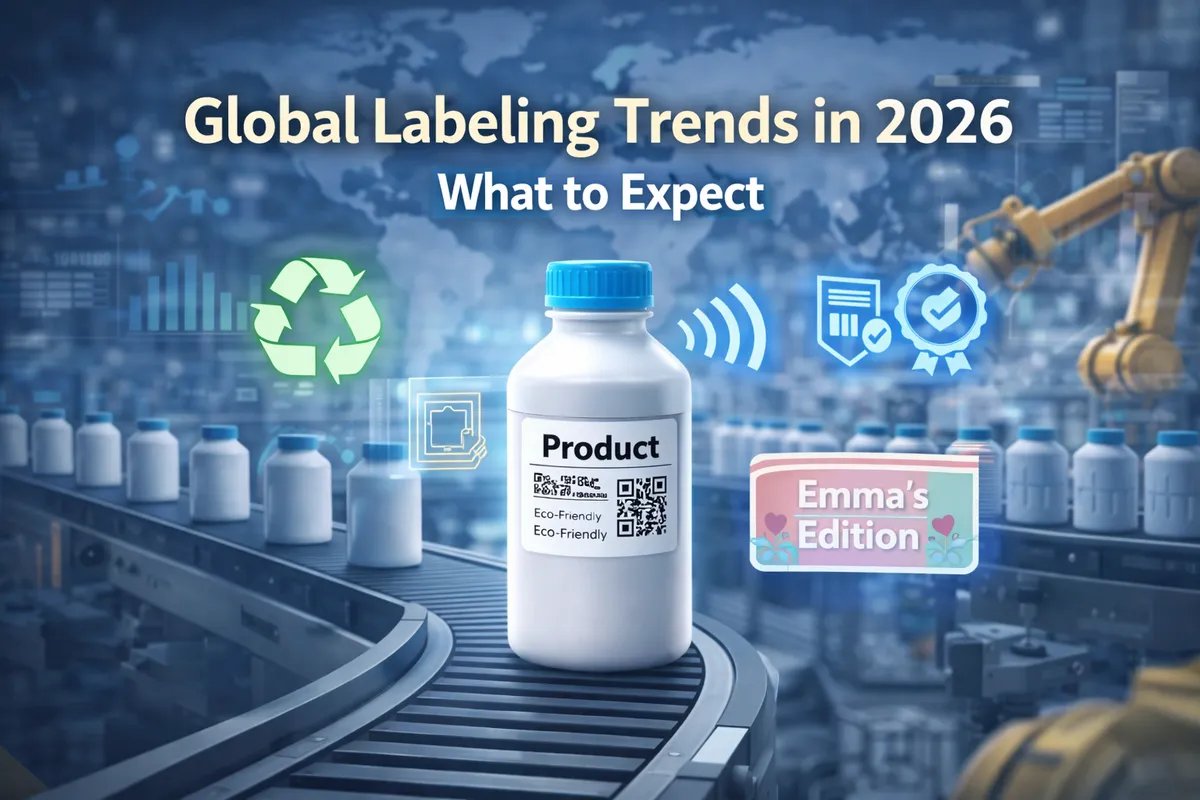
As we move towards 2026, the world of labeling is evolving rapidly. Companies are focusing more on sustainability, technology, and transparency to meet the demands of both consumers and regulatory authorities. This article explores the key labeling trends we can expect in 2026, how they will impact businesses, and what you need to know to stay ahead of the curve.
1. Sustainability in Labeling
One of the biggest trends in the labeling industry is sustainability. Consumers are becoming more aware of environmental issues, and they are expecting brands to make eco-friendly choices. Labels play a significant role in this movement.
Key Changes to Expect:
-
Recyclable Materials: More brands will switch to using recyclable and biodegradable materials for their labels. Expect to see more labels made from paper or plant-based plastics instead of traditional petroleum-based plastics.
-
Minimalist Design: Companies will use minimalist labeling to reduce waste. Fewer materials used in labels means a smaller environmental footprint.
Why It Matters:
Brands that adopt sustainable labeling practices will build a positive image among eco-conscious consumers. This trend is not just about being “green,” it is also about staying compliant with increasing regulations around waste and recycling.
2. Smart Labels and Digital Integration
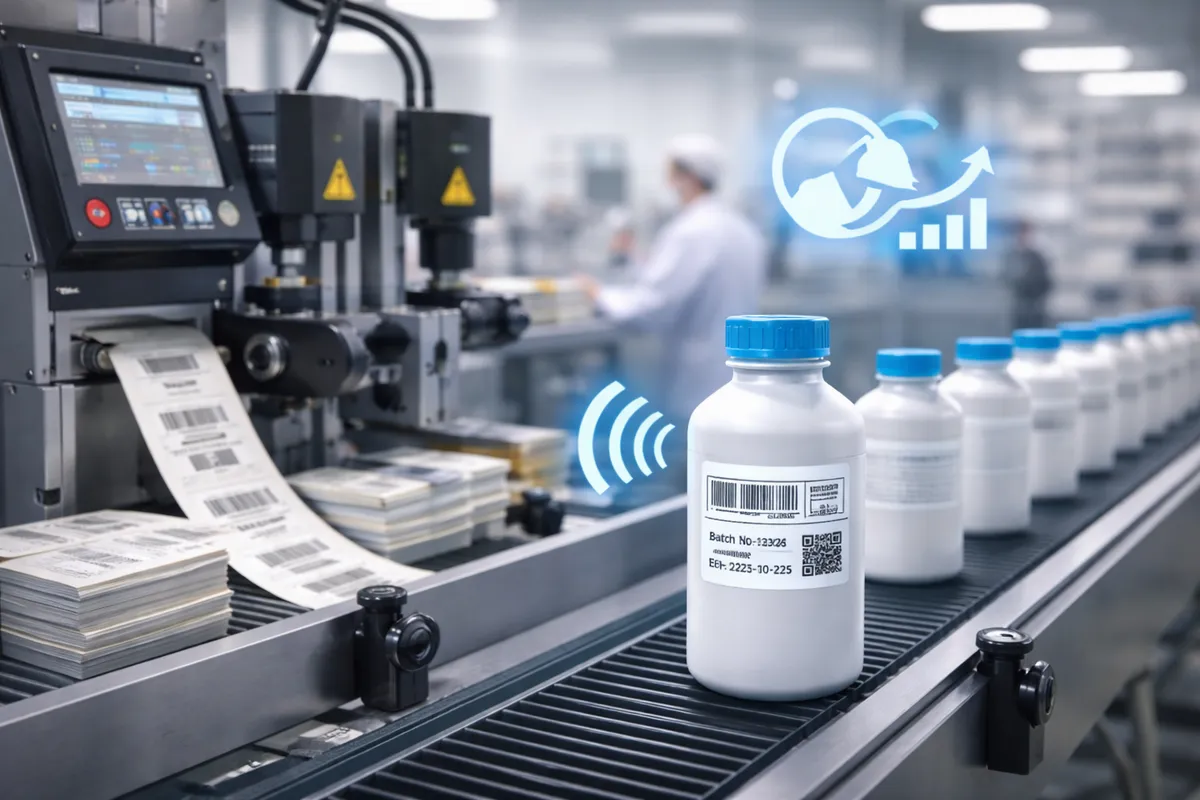
In 2026, smart labels are expected to become much more common. These labels are equipped with technology like RFID (Radio Frequency Identification) and QR codes that provide more information to consumers and businesses.
Key Changes to Expect:
-
RFID Tags: These tags will allow products to be tracked automatically through the supply chain. RFID technology makes inventory management and product tracking faster and more accurate.
-
Interactive QR Codes: Labels will increasingly feature QR codes that consumers can scan for more information, like nutritional details, usage instructions, or the product’s environmental impact.
Why It Matters:
Smart labels improve the consumer experience by providing immediate access to detailed information. They also benefit businesses by making inventory management and logistics more efficient.
3. Regulatory Compliance and Transparency
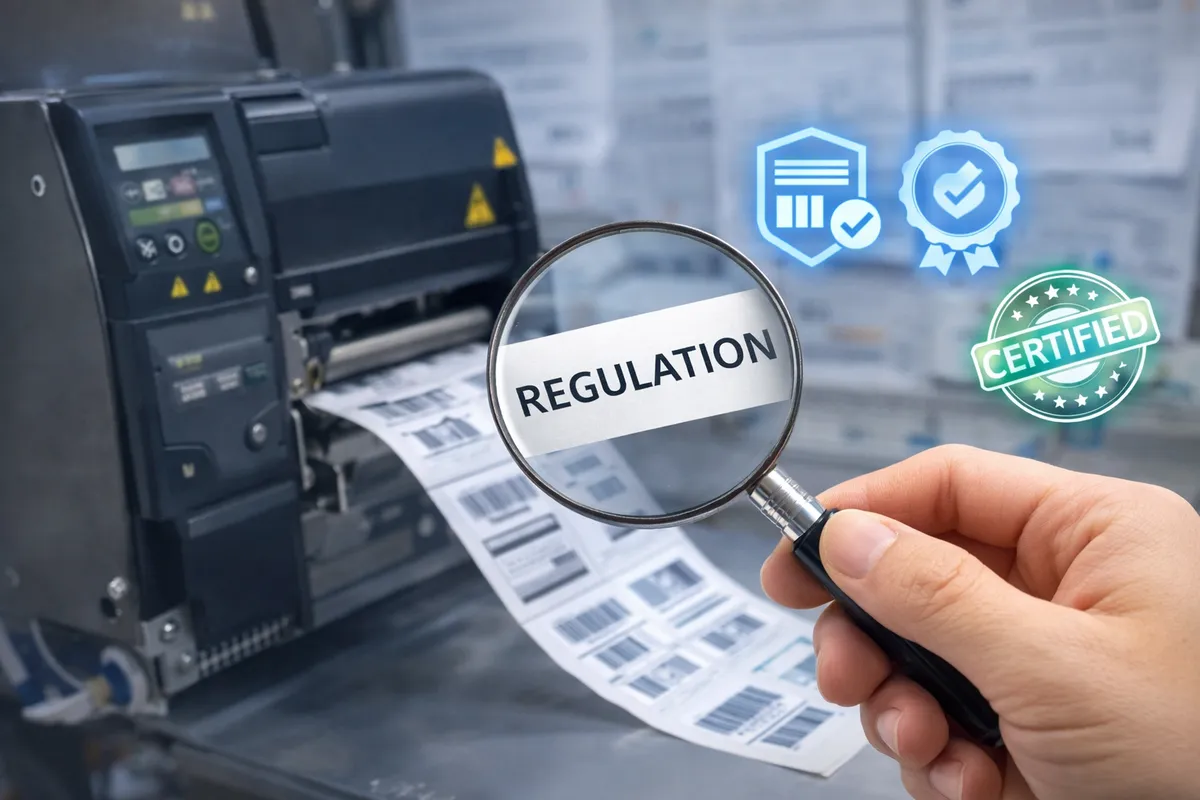
With stricter regulations around the world, companies must ensure that their labels comply with national and international standards. In 2026, regulatory compliance will be more important than ever, especially as governments enforce stricter rules on labeling accuracy and transparency.
Key Changes to Expect:
-
Clearer Ingredients and Sourcing: Expect to see labels that provide more transparency about where ingredients come from and how products are made. This trend will be particularly important in industries like food and cosmetics.
-
Health and Safety Information: Labels will become more detailed in terms of health warnings, safety information, and certifications (e.g., organic, gluten-free, or cruelty-free).
Why It Matters:
Consumers are demanding more transparency in the products they purchase. Labels that provide clear, truthful information will help businesses build trust with their customers and stay compliant with regulations.
4. Personalized Labels for Consumer Engagement
In 2026, the personalization trend in labeling will continue to grow. Personalized labels help brands connect with consumers on a deeper level, making the product feel more unique and relevant.
Key Changes to Expect:
-
Customized Labels: Brands will offer customized labels where consumers can input their names or personal messages. For example, beverage companies may allow customers to design their own bottle labels for special occasions.
-
Limited Edition Runs: Brands will create limited-edition packaging and labels for specific events, seasons, or holidays, making the product more exclusive.
Why It Matters:
Personalization creates a more emotional connection between consumers and the product. It helps brands stand out in a crowded market and increase customer loyalty.
5. Automation in Label Production
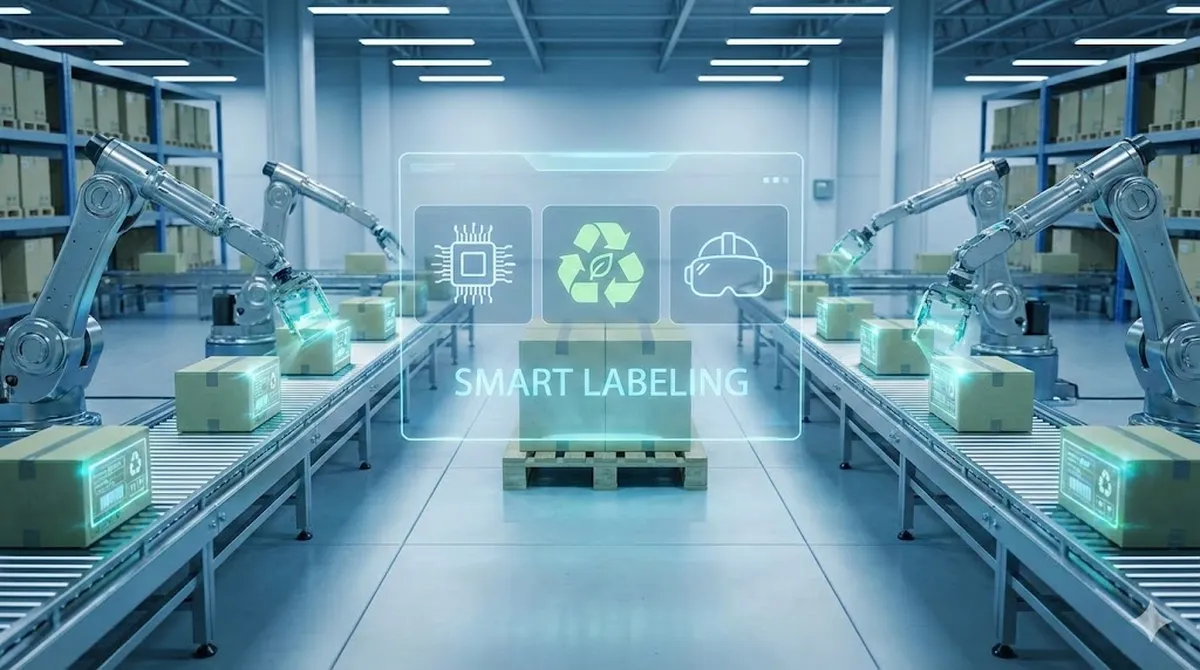
By 2026, automation in labeling will be widespread. With the advancement of technology, companies will rely more on automated systems to produce and apply labels, making the process faster and more accurate.
Key Changes to Expect:
-
Robotic Labeling Systems: Robots will be used to apply labels more efficiently, reducing human error and increasing production speed.
-
Artificial Intelligence (AI): AI will be used to monitor labeling processes, ensuring that labels are applied correctly and that any mistakes are caught early.
Why It Matters:
Automated systems improve efficiency and accuracy in labeling. Businesses can produce more products in less time and with fewer mistakes, reducing costs.
Conclusion: Embrace Change to Stay Ahead
In 2026, the labeling industry will undergo significant changes, driven by sustainability, technology, and consumer demand for transparency. Businesses that stay ahead of these trends will not only improve their operational efficiency but also strengthen their connection with consumers. To succeed in the evolving market, it’s essential to embrace innovation, adopt smart labeling technologies, and stay compliant with regulations.
By understanding these trends, companies can position themselves for success in 2026 and beyond.